
Licensed abatement
Asbestos Removal in the Bronx
Confirmed material out, enclosure down, air tested clean. Then your trades get the space back.
Abatement That Clears the Way for the Real Work
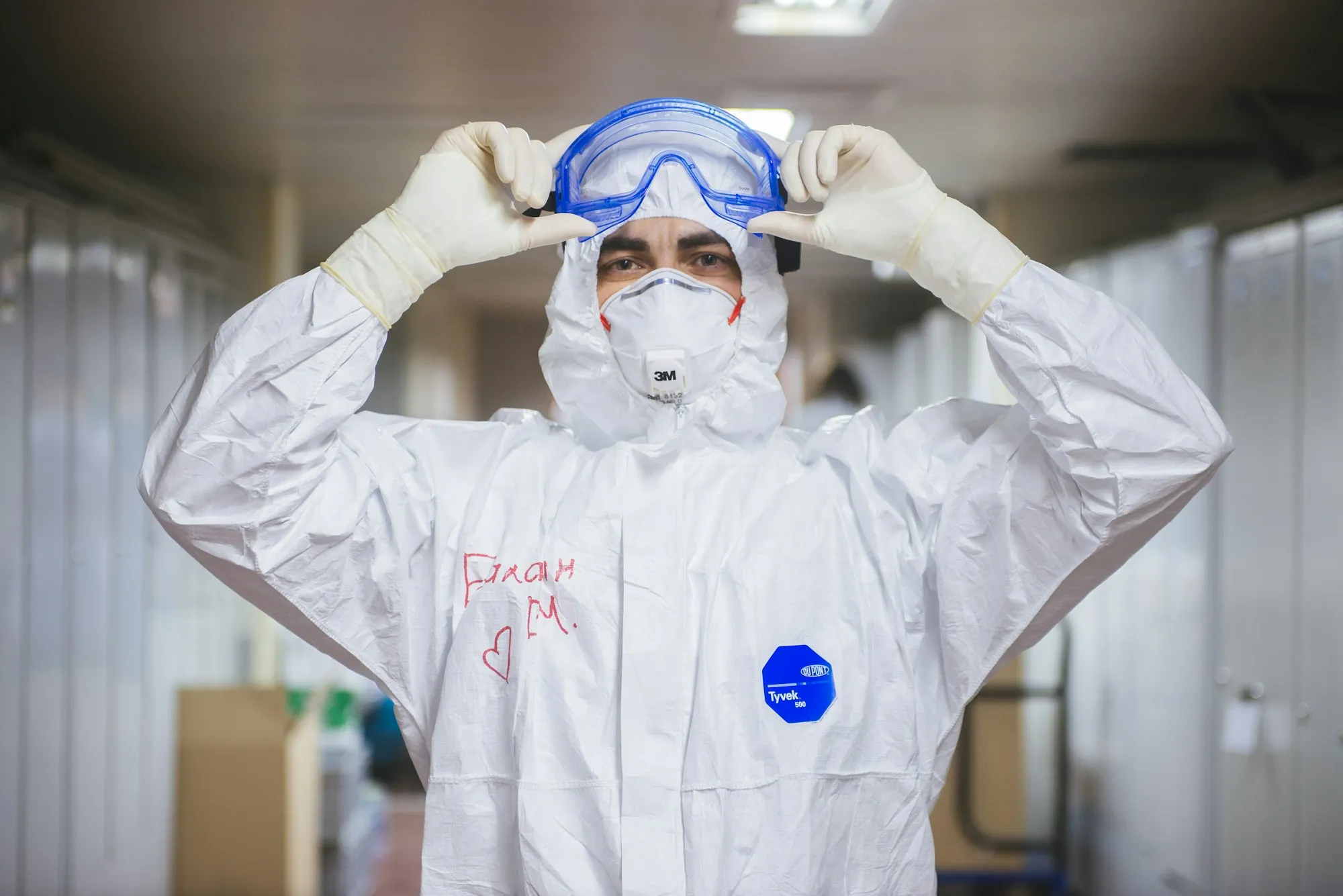
Nobody hires an abatement crew for fun. You hire one because a kitchen is getting gutted, a boiler is getting swapped, a unit is turning over or a building is coming down, and asbestos is standing between you and that work. So the job is simple to describe. Take out the confirmed material, keep it out of the rest of the building and hand back a space that passes an air test. In the Bronx that material shows up everywhere. Steam riser and boiler lagging in prewar apartment houses. Floor tile and black mastic under linoleum in postwar units. Sprayed or textured ceilings. Joint compound in plaster and drywall. Duct wrap in mechanical rooms. Roofing and cement siding on row houses. The routine is the same every time. Polyethylene enclosure, sealed penetrations and HEPA exhaust holding negative pressure. Material wetted before it is touched, then removed and packaged in labeled, sealed bags or wrap. HEPA vacuuming and damp wiping. Then an independent air test, and only a passing result lets the enclosure come down. Bronx jobs run under both New York State's Industrial Code Rule 56 and the city's DEP asbestos program, so the notifications are filed before the work begins, not after somebody asks.
What the Removal Covers
Scaled from one bathroom floor to a full building.
Scope from the lab results
Only materials that tested positive are on the list, each tied to a sample.
Boiler, riser and pipe lagging
Insulation on steam and hot water lines and boiler jackets, often ahead of a heating upgrade.
Tile and the black glue under it
Pulled while wet, with the adhesive dealt with so the new floor has a sound base.
Ceilings and joint compound
Sprayed and textured ceilings and asbestos joint compound, with the whole room enclosed.
Roofing, siding and duct wrap
Cement siding and roofing taken off in whole pieces when possible. Duct wrap bagged at the source.
Negative-pressure enclosure
Polyethylene, sealed penetrations and HEPA exhaust running until clearance.
State and city notifications
Project notifications filed when the job calls for them, before work starts.
Air clearance and disposal
Third-party air testing at the finish, and waste hauled to a permitted site with records kept.
The Removal, Step by Step
Confirm and file
Lab results are reviewed, or samples are taken first. The positive materials become a written scope with a price, and any required notification is filed so the job is legal from day one.
Enclose and abate
The work area is wrapped in polyethylene, penetrations are sealed and HEPA exhaust takes it negative. Handlers wet the material, remove it and package it, labeled and sealed, for disposal.
Clean and clear
HEPA vacuum and damp wipe. A third-party air test follows. A pass means the poly comes down and your crew, tenants or family get the room back.
Why Contractors Bring Us In
Paperwork in before the tools
Notifications filed up front, so an inspection does not turn into a stop work order.
The rest of the building stays clean
Negative pressure and sealed penetrations keep fibers out of hallways, shafts and neighboring units.
Track record on public jobs
The crew has completed abatement on government and municipal projects, where every step is inspected closely.
- Filings before work
- Negative-pressure enclosure
- Wet removal
- Third-party clearance
Got Lab Results and a Schedule to Hit?
Send over what tested positive and when your trades need the space. We will lay out the enclosure, the filings and what clearance takes.